Resilient Distributed Systems
Distributed systems exist in all shapes and sizes, and chances are you're either working on one now. But the fundamental nature of distributed systems means that we are exposed to all sorts of problems that can cause our systems to become slow, unresponsive, or even fail altogether.

In this two-day class, you'll learn about the challenges of distributed systems, and what you can do to create software that is much more likely to work when users need it to.
Whether you're building a fine-grained microservice architecture, or a more monolithic distributed system, you'll learn concrete practices to help make your software more robust.
This is not a coding masterclass, but it is interactive. This is a class about concrete practice, but presented in a technology agnostic way.
What We Will Cover
Each class is different, with the attendees shaping what content we will cover in each class, but expect to cover:
- What is resiliency?
- The Golden Rules of distributed systems
- AI and resiliency
- Timeouts
- Retires & Idempotency
- Load shedding & back pressure
- Circuit breakers
- Bulkheads
- SLAs, SLOs and error budgets
- Human factors
- CAP & PACELC Theorems
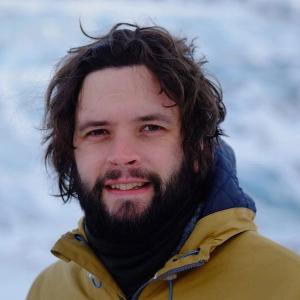
Sam Newman is an independent consultant who loves solving problems with technology. Focusing primarily in the areas of cloud, microservice architecture and continuous delivery, Sam works with companies big and small all over the world. He is also an experienced conference speaker, and author of the O’Reilly books Monolith To Microservices, Building Microservices, and the forthcoming Building Resilient Distributed Systems.